
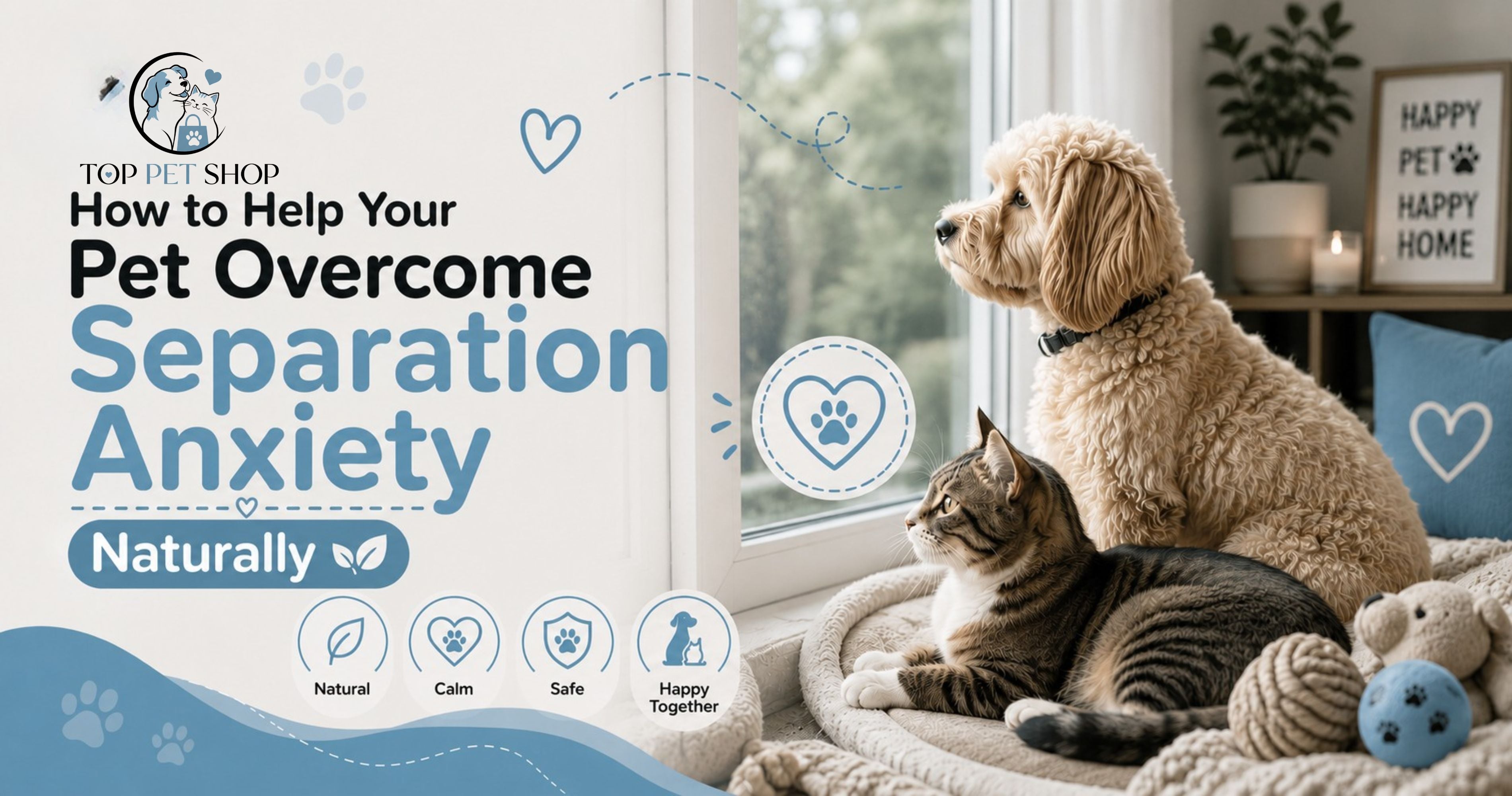
Coming home to torn couch cushions, scratched door frames, or a neighbor’s noise complaint about nonstop barking is every pet parent’s nightmare. But beneath the destruction and noise lies a heartbroken pet: your fur baby is experiencing genuine panic every time you walk out the door.
Dog separation anxiety is one of the most common behavioral challenges pet owners face. It isn't caused by spite or bad behavior—it’s a distress response triggered by being separated from the humans they love most.
While severe cases may require professional guidance, many dogs experience mild-to-moderate anxiety that can be managed naturally with the right environment, consistent routines, and enriching tools.
Here is your complete guide to helping your pet feel calm, confident, and secure—even when you’re not around.
What Is Dog Separation Anxiety?
Separation anxiety occurs when a dog hyper-attaches to their owner and experiences extreme stress when left alone.
It’s important to distinguish between a bored puppy who chews a shoe because it’s fun versus a dog experiencing true panic. A panicked dog exhibits distress behaviors almost immediately after you leave (often within the first 15 to 30 minutes).
Common Signs of Separation Anxiety:
-
Persistent Barking or Howling: Vocalizing continuously shortly after departure.
-
Pacing & Panting: Inability to settle down as you prepare to leave.
-
Destructive Chewing & Digging: Focused around exit points like doors, windows, and crates.
-
Accidents Inside: Urinating or defecating in the house, even if fully house-trained.
-
Excessive Drooling or Salivation: Finding wet spots on floors or near doors.
-
Extreme Greetings: Acting frantic and over-the-top excited when you return, as if you’ve been gone for years.
5 Natural Ways to Calm Your Pet’s Separation Anxiety
1. Desensitize Your Departure Cues
Dogs are masters of reading human habits. The moment you grab your keys, put on your shoes, or reach for your coat, your dog’s heart rate starts to spike because they know what comes next.
The Fix: Disarm those triggers!
Pick up your keys and put them in your pocket, then sit on the couch and watch TV. Put on your heavy winter coat, walk into the kitchen to make a cup of tea, and take it off. By repeating these actions without leaving, you break the association between the trigger and the anxiety.
2. Ditch the Dramatic Goodbyes & Greetings
It’s tempting to give your dog endless hugs, kisses, and soothing words right before walking out the door. However, this alerts your dog that something major is about to happen!
-
When Leaving: Keep it completely low-key. Give your pet a quiet, gentle pat, say a calm goodbye phrase, and walk out.
-
When Arriving: Ignore high-energy jumping and whining for the first 2–3 minutes. Once your dog settles down and all four paws are on the floor, offer calm, affectionate praise.
3. Provide Mental Enrichment & Distraction Toys
An occupied brain is a calm brain! Give your pet something delicious to focus on right before you step out so they associate your departure with a high-value treat.
-
Lick Mats & Stuffed Toys: Licking releases natural endorphins in a dog's brain, which actively lowers anxiety and slows their heart rate. Spread peanut butter (xylitol-free!) or wet food on a lick mat and freeze it so it lasts longer.
-
Puzzle Feeders: Challenge their problem-solving skills with interactive puzzle toys that slowly dispense kibble or treats.
💡 Pro-Tip: Pick up the special distraction toy as soon as you get back home! That way, the toy remains a rare, high-value reward reserved exclusively for alone time.
4. Tire Out the Body & Mind Before You Leave
A tired dog is a quiet, restful dog! Schedule a solid 20- to 30-minute exercise session right before you need to depart.
-
Go for a brisk walk, run, or game of fetch.
-
Incorporate 5–10 minutes of positive training exercises (like practice sits, stays, or fun tricks) to burn mental energy as well as physical stamina.
-
Give your pet 15–20 minutes to cool down, catch their breath, and drink water before you head out.
5. Create a Soothing "Calm Zone"
Setting up a cozy, dedicated environment can comfort a nervous pet when the house gets quiet.
-
Calming Scents & Pheromones: Use synthetic dog-appeasing pheromone (DAP) diffusers near their sleeping area. They mimic the calming pheromones released by nursing mother dogs.
-
Background Noise: Leave a radio on a soft classical music station, run a white noise machine, or play a long "dog calming music" video to mask sudden outside noises like traffic or passing pedestrians.
-
Comfort Clothes: Leave an unwashed t-shirt or sweater you’ve recently worn in their bed—your familiar scent provides immense comfort.
What NOT to Do When Managing Separation Anxiety
| DO 🟢 | DON'T 🔴 |
| Start with short absences (1–2 minutes) and build up endurance gradually. | Never punish your dog for destructive behavior or accidents that happen while you're away. Punishment increases fear and worsens anxiety! |
| Ensure a safe, comfortable space with chew-proof bedding and water. | Don't crate a dog with severe panic unless they are fully crate-conditioned; a panicked dog can injure themselves trying to escape. |
Support Your Pet’s Wellness
Overcoming dog separation anxiety takes time, consistency, and a whole lot of love—but small daily improvements add up fast!
Looking for durable lick mats, soothing anxiety toys, or comforting pet beds to help ease your fur baby's stress? Explore our full collection of calming pet solutions at Top Pet Shop® today!
Share:
Is Your Cat Bored? 7 Signs & How to Keep Them Entertained Indoors